
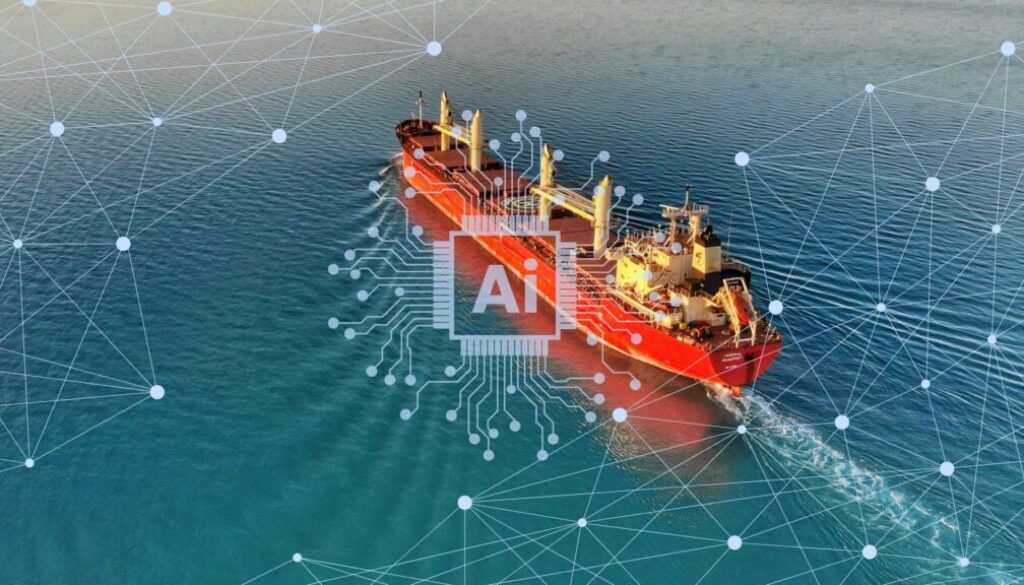
Smarter Seas Ahead: How AI Is Revolutionizing Maritime Navigation
Steering a massive cargo ship into fog, darkness, or a busy waterway is a constant challenge for sailors. But a new artificial intelligence (AI) system is here to ensure safer seas.
A new navigation system called APAS (Advanced Pilot Assistance System) is being sea-tested right now—and it could one day revolutionize ship navigation.
What Is APAS?
APAS is a smart ship’s assistant developed by Mythos AI. As opposed to some other solutions that would be more camera-based, it is radar-centric. In other words, it can “see” and perceive objects even under adverse conditions—dense fog, rain, turbulent seas, or complete darkness.
The integrated systems combine radar data with cameras and machine vision to give crews a better idea about where they are. What’s also key is that it’s to assist with human navigators, but to be a replacement for their abilities.
Testing on the Open Seas
APAS has been fitted aboard the CB Pacific, a chemical cargo ship belonging to CB Tankers, to be tested for a one-year period. It was selected because it has proven routes as well as advanced radar systems.
Earlier, APAS had also been tried out with a Mississippi River towboat. Today’s tests are more extensive because it is being subjected to true sea conditions.
One of the most important aspects of the trial is making APAS adhere to COLREG—the international regulations that avoid sea collisions. That is, the system not only needs to be intelligent but also conform to international maritime regulations.
How APAS Assists Crews
Seafaring is a living that calls for perpetual vigilance. APAS is meant to ease pressure by:
- Increasing awareness: Alerting and signaling dangers earlier.
- Work reduction: Reducing the need for manual monitoring.
- Sending timely warnings: Giving crews more time to respond to hazards.
Consider it a fourth pair of reliable eyes on the bridge who is constantly looking and never becomes tired.
Why It Matters
With success, APAS would redefine the future of marine transport. Pros might be:
- Safe shipping routes with less collision.
- Less stress and fatigue among seafarers.
- Smarter, AI-based navigation industry-wide.
- Possible application to defence and other sea tasks.
Final Considerations
The sea will never be subdued, but inventions like APAS prove that ships don’t have to fight it single-handed. With the combined prowess of radar’s accuracy and AI’s brainpower, sailors now have a mighty companion. It’s not about rendering humans unnecessary—it’s about furnishing humans with a way to sail more safely, more confidently, more efficiently. A safer, stronger AI-driven future for maritime navigation is possible.