
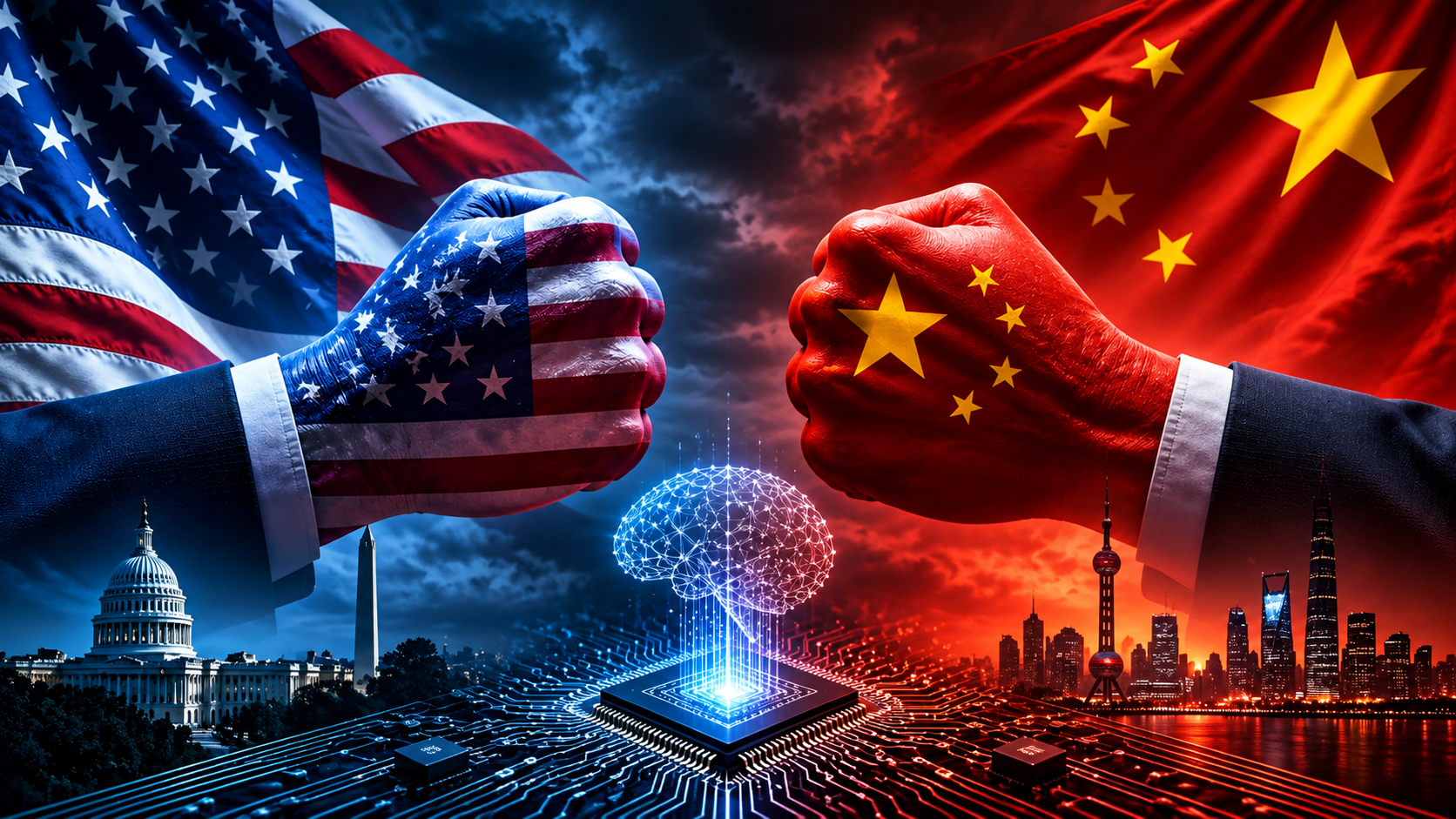
Artificial intelligence is becoming a key issue in global geopolitics. The latest dispute between China and the United States reflects this shift. The developments also highlight why artificial intelligence laws are becoming central to international technology policy. China recently pledged to respond after the United States threatened sanctions against several Chinese AI companies. Beijing described the proposed measures as unfair and vowed to protect its technology sector. The dispute adds another chapter to the growing competition over artificial intelligence.
AI Is Now a Strategic Asset
Artificial intelligence is no longer just about innovation. It has become a matter of national security and economic strength. Governments worldwide are expanding their AI legislation tracker efforts to monitor new developments and policy changes. The United States has increased restrictions on advanced AI technologies in recent years. Officials argue these measures protect national security and prevent sensitive technologies from reaching strategic competitors. China strongly disagrees with this approach. Both countries continue investing billions in AI research and infrastructure. This competition now shapes global supply chains, investment decisions, and international partnerships.
China Rejects US Sanctions
Chinese officials criticized the latest sanctions threat. They argued the restrictions interfere with fair market competition. Beijing also warned it would take necessary steps to defend its businesses and technological interests. The dispute raises fresh questions about the future ethical AI ecosystem worldwide. The sanctions debate goes beyond individual companies. It reflects broader disagreements over technology exports, semiconductor access, and AI development. These issues increasingly influence diplomatic relations between major economies. Businesses operating across borders now face greater uncertainty. Many must prepare for changing compliance requirements and shifting trade policies.
Why AI Governance Matters More Than Ever
Governments are developing policies to balance innovation with national security. Every country wants to encourage AI growth while managing emerging risks. Building an effective AI governance framework has therefore become a top priority. Several governments are introducing new rules covering AI safety, transparency, and accountability. Others are reviewing export controls for advanced AI technologies. These efforts aim to reduce risks without limiting responsible innovation. However, different national approaches create new challenges for global companies. Organizations operating internationally must understand multiple regulatory systems.
Global Businesses Face Rising Compliance Challenges
Technology companies increasingly operate across many jurisdictions. Every new regulation creates additional legal and operational responsibilities. Staying informed about artificial intelligence regulation news is becoming essential for business leaders.
Organizations must monitor evolving requirements related to:
- AI transparency.
- Data governance.
- Security controls.
- Cross-border technology transfers.
- Risk management.
These responsibilities require dedicated legal and compliance teams. Businesses can no longer treat AI governance as an afterthought.
Innovation and Regulation Must Work Together
Some experts worry strict regulations could slow technological progress. Others argue stronger oversight builds public trust. Understanding the current AI bill status across different countries helps organizations prepare for future changes. Successful AI policies should encourage innovation while protecting public interests. Excessive restrictions may discourage investment. Weak oversight could increase safety and ethical risks. Finding the right balance remains one of today’s biggest policy challenges.
International Cooperation Remains Essential
The China-US dispute demonstrates how AI policy increasingly affects global diplomacy. Many governments support regulating artificial intelligence through international cooperation rather than isolated national actions.
Cross-border Collaboration Offers Several Benefits Common safety principles.
- Improved technical standards.
- Better cybersecurity coordination.
- Greater regulatory consistency.
- Increased public confidence.
- Although political disagreements continue, international dialogue remains important for long-term AI development.
Different Countries Are Taking Different Paths
The global regulatory environment continues evolving rapidly. The European Union, the United States, China, and several Asian nations are pursuing different approaches to global AI regulations. Some governments emphasize innovation and investment. Others prioritize security and consumer protection. Many attempt to balance both objectives. This diversity creates opportunities for learning across jurisdictions. It also increases complexity for multinational businesses.
Public Policy Is Becoming More Important
Artificial intelligence now influences healthcare, finance, education, and manufacturing. Governments, therefore, view artificial intelligence public policy as critical to economic development. Policy decisions made today will shape future innovation. They will also determine how businesses compete internationally and how citizens experience AI technologies. Strong public policy encourages responsible growth while protecting society from emerging risks.
Responsible Innovation Requires Trust
- Transparent AI governance.
- Independent risk assessments.
- Employee training.
- Clear accountability structures.
- Continuous monitoring.
These practices strengthen confidence among customers, investors, and regulators.
AI Competition Will Continue
The rivalry between China and the United States is unlikely to slow soon. Artificial intelligence will remain central to economic competitiveness and geopolitical strategy. Strong ethical AI guidelines will become increasingly valuable as governments introduce new policies. Organizations should prepare for ongoing regulatory changes instead of reacting after new rules emerge. Proactive planning reduces business disruption and supports sustainable growth.
Looking Ahead
The latest dispute shows AI has become much more than a technological breakthrough. It now shapes international trade, diplomacy, and economic policy. Following AI regulatory news helps businesses understand emerging risks before they become operational challenges. As governments continue introducing new safeguards, collaboration will remain essential. Innovation and regulation must advance together. The future of artificial intelligence depends on building systems that are competitive, secure, and trusted across global markets. Keep following RegulatingAI for the latest news on AI governance.